
7 Proven Benefits of Essential Oils for Hair (Expert Guide)
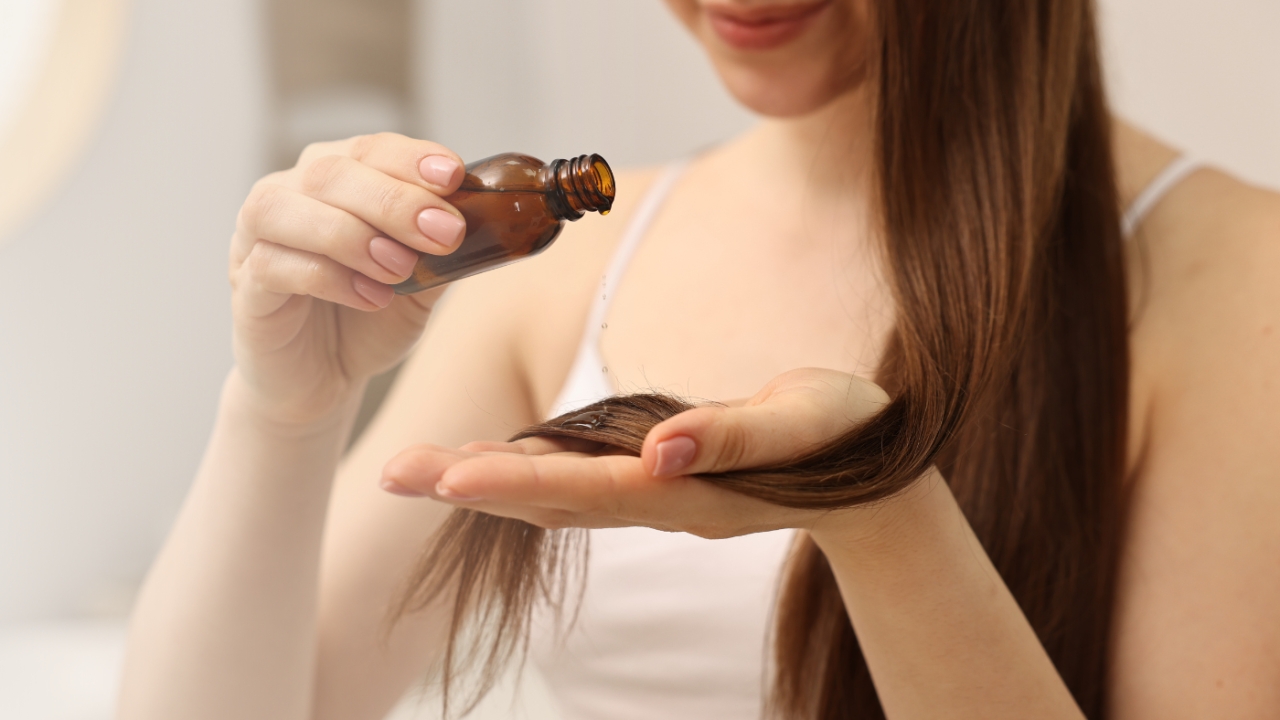
Why Essential Oils Are Essential for Hair: Benefits, Science & How to Use Them
Essential oils have long been celebrated for their therapeutic properties, but their role in hair care is truly transformative. These concentrated plant extracts are packed with nutrients, antioxidants, and unique compounds that address a wide range of hair concerns—from hair growth and scalp health to shine and strength. In this comprehensive guide, we’ll explore why essential oils are essential for hair, how they work, the best oils to use, expert-backed usage tips, and actionable answers to the most common questions.
What Makes Essential Oils Essential for Hair Health?
Essential oils are potent botanicals that deliver targeted benefits for hair and scalp. Unlike synthetic ingredients, they offer natural solutions for common hair issues such as thinning, dandruff, dryness, and lackluster shine. Scientific studies have shown that certain essential oils can stimulate hair follicles, improve scalp circulation, and provide antimicrobial protection, making them a must-have in any holistic hair care routine.
For those seeking pure, high-quality essential oils, explore the wide selection from Norex, a leading essential oils manufacturer.
The Science: How Essential Oils Benefit Hair
1. Stimulate Hair Growth and Reduce Hair Loss
One of the most compelling reasons to use essential oils is their ability to promote healthy hair growth. Oils like rosemary, peppermint, and lavender have been shown in clinical studies to increase blood circulation to the scalp, which nourishes hair follicles and encourages new growth. For example, a 2015 study published in Skinmed found that rosemary oil was as effective as minoxidil (a common hair growth treatment) in promoting hair regrowth after six months of use.
Expert Insight:
Dr. Anjali Mahto, a leading dermatologist, notes, “Essential oils like rosemary and peppermint can invigorate the scalp, improve microcirculation, and create an optimal environment for hair growth.”
2. Combat Dandruff and Soothe Scalp Conditions
Essential oils such as tea tree, eucalyptus, and onion oil possess strong antifungal and antibacterial properties. These oils help eliminate the microbes responsible for dandruff and scalp irritation. Tea tree oil, in particular, has been shown to reduce dandruff severity by up to 41% in clinical trials.
Pro Tip:
For persistent dandruff, combine tea tree oil with a carrier oil and massage into the scalp twice weekly.
3. Strengthen Hair and Prevent Breakage
Oils like argan, jojoba, and coconut are rich in vitamins (E, B-complex) and essential fatty acids. These nutrients reinforce the hair shaft, reduce split ends, and protect against environmental damage. Regular use leads to stronger, more resilient hair that’s less prone to breakage.
Did you know?
Argan oil is often called “liquid gold” for its unparalleled ability to restore shine and elasticity to damaged hair.
4. Enhance Shine and Manageability
Essential oils help seal in moisture, reduce frizz, and impart a natural luster to hair. Jojoba and argan oils are especially effective for adding shine and softness without weighing hair down.
For more on natural fragrances and their benefits, see Norex’s range of natural fragrances and aroma chemicals.
4 Key Benefits of Essential Oils for Hair
-
Promoting Hair Growth:
Oils like rosemary and peppermint stimulate scalp circulation, invigorate follicles, and support faster, thicker hair growth. -
Reducing Dandruff:
Tea tree and eucalyptus oils fight the yeast and bacteria that cause dandruff, while soothing inflammation and itchiness. -
Strengthening Hair:
Argan, coconut, and lavender oils fortify hair strands, reduce breakage, and help prevent split ends. -
Improving Shine:
Jojoba and argan oils lock in moisture, smooth the cuticle, and leave hair looking glossy and healthy.
The 5 Best Essential Oils for Hair (with Usage Tips)
1. Lavender Essential Oil
Lavender oil is renowned for its calming scent, but it also boosts scalp circulation and delivers nutrients to hair follicles. Its antibacterial properties help keep the scalp clean and free from infections, reducing dandruff and promoting healthy growth. Lavender’s stress-relieving qualities can also help prevent stress-induced hair loss.
2. Peppermint Essential Oil
Peppermint oil invigorates the scalp and increases blood flow, which can lead to improved hair growth. The menthol in peppermint soothes itching and reduces flakiness, making it ideal for oily or irritated scalps.
3. Rosemary Essential Oil
Rosemary oil is a powerhouse for hair regrowth and scalp health. It combats inflammation, fights dandruff, and protects hair from oxidative stress. Studies show rosemary oil can be as effective as conventional hair growth treatments.
4. Tea Tree Essential Oil
Tea tree oil’s antifungal and antibacterial properties make it a top choice for treating dandruff and seborrheic dermatitis. It unclogs hair follicles, reduces scalp buildup, and promotes a clean, healthy environment for hair to thrive.
5. Argan Essential Oil
Argan oil is packed with vitamin E, antioxidants, and essential fatty acids. It deeply moisturizes, repairs damage, and adds a natural sheen to hair. Lightweight and non-greasy, it’s suitable for all hair types.
Discover more about Norex’s essential oils and their applications for hair, skin, and wellness.
How to Use Essential Oils for Hair: Step-by-Step Framework
-
Dilute Properly:
Always mix essential oils with a carrier oil (such as coconut, jojoba, or olive oil) before applying to the scalp. A typical ratio is 3-5 drops of essential oil per tablespoon of carrier oil. -
Scalp Massage:
Massage the diluted blend into your scalp for 5-10 minutes. This boosts circulation and helps the oils penetrate hair follicles. -
Leave-In Treatment:
For deep conditioning, leave the oil blend on for at least 30 minutes, or overnight for maximum benefit. Shampoo thoroughly afterward. -
Frequency:
Use essential oil treatments 2-3 times per week for best results. -
Patch Test:
Always perform a patch test before full application to avoid allergic reactions.
For a wide variety of carrier oils and blends, check out Norex’s full product range.
Advanced Tips: Maximizing Results with Essential Oils
- Combine Oils:
Create custom blends by combining oils with complementary benefits (e.g., rosemary + peppermint for growth, tea tree + eucalyptus for dandruff). - Add to Shampoo/Conditioner:
Mix a few drops into your regular hair products for daily nourishment. - DIY Hair Masks:
Combine essential oils with natural ingredients like honey, yogurt, or aloe vera for intensive treatments. - Protect from Sun Damage:
Some oils, like coconut and argan, offer mild UV protection for hair.
Frequently Asked Questions (FAQ)
What are the best essential oils for hair growth?
The top oils for stimulating hair growth are rosemary, peppermint, and lavender. These oils increase scalp circulation and nourish hair follicles.
Can essential oils help with dandruff?
Yes, oils like tea tree and eucalyptus have antifungal properties that target the root causes of dandruff and soothe scalp irritation.
Are essential oils safe for all hair types?
Most essential oils are safe for all hair types when properly diluted. Always do a patch test and consult with a dermatologist if you have sensitive skin.
How often should I use essential oils on my hair?
For optimal results, use essential oil treatments 2-3 times per week. Overuse can lead to buildup or irritation.
Can I use essential oils in colored or chemically treated hair?
Yes, many essential oils are safe for colored or treated hair and can even help repair damage. However, always check with your stylist or dermatologist.
Do essential oils really work for hair loss?
Clinical studies support the efficacy of certain oils (like rosemary) in reducing hair loss and promoting regrowth, especially when used consistently over several months.
What carrier oils are best for hair?
Popular carrier oils include coconut, jojoba, olive, and argan oil. Choose based on your hair type and desired benefits.
Where can I buy high-quality essential oils for hair?
For pure, lab-tested essential oils, visit Norex’s essential oils collection.
Expert Insights & Data
- Clinical Evidence:
A 2015 randomized trial found that rosemary oil was as effective as 2% minoxidil in treating androgenetic alopecia after six months. - Dermatologist Recommendation:
“Essential oils offer a natural, effective way to address common hair concerns without harsh chemicals,” says Dr. Priya Verma, Trichologist. - Consumer Trends:
According to a 2023 market report, 68% of consumers prefer natural hair care products with essential oils over synthetic alternatives.
Related Resources
- Learn about the infrastructure and quality control at Norex that ensures purity and safety in every essential oil.
- Discover the global reach and certifications of Norex essential oils for peace of mind.
- Stay updated with the latest trends in natural hair care on the Norex News & Events blog.
Conclusion: Why Essential Oils Deserve a Place in Your Hair Care Routine
Essential oils are more than just a trend—they’re a science-backed, holistic solution for healthier, stronger, and more beautiful hair. Whether you’re struggling with hair loss, dandruff, dryness, or simply want to boost shine, incorporating essential oils into your routine can deliver visible, lasting results. For the best outcomes, choose high-quality oils, follow expert usage guidelines, and stay consistent.
Ready to transform your hair naturally? Explore the full range of pure essential oils for hair at Norex and start your journey to healthier hair today.