


Raw Materials for Soap Production- Natural & Synthetic
Raw Materials Used in Soap Production: Comprehensive Guide for Manufacturers
Soap production is a fascinating blend of chemistry, artistry, and innovation. Whether you’re a large-scale manufacturer or a small-batch artisan, understanding the raw materials used in soap production is crucial for creating high-quality, effective, and appealing soaps. In this guide, we’ll explore the essential ingredients, advanced additives, and expert insights that set top-performing soaps apart. We’ll also highlight how Norex’s range of fragrances, essential oils, and aroma chemicals can elevate your soap formulations.
Table of Contents
- What Are the Main Raw Materials Used in Soap Production?
- Detailed Breakdown: Types of Oils, Fats, and Alkalis
- Fragrances, Essential Oils, and Colourants
- Additives: Enhancing Soap Functionality
- The Soap Manufacturing Process: Step-by-Step
- Natural vs. Synthetic Soaps: Key Differences
- Expert Insights: Choosing the Right Ingredients
- Frequently Asked Questions
What Are the Main Raw Materials Used in Soap Production?
The core raw materials used in soap production include:
- Oils and Fats: These are the backbone of any soap. Common choices are palm oil, coconut oil, olive oil, soybean oil, and tallow. Each oil imparts unique properties—coconut oil for lather, olive oil for gentleness, and so on.
- Alkali: Typically sodium hydroxide (NaOH) for solid soap or potassium hydroxide (KOH) for liquid soap. The alkali reacts with oils in a process called saponification.
- Water: Acts as a solvent to dissolve the alkali and facilitate mixing.
- Fragrances and Essential Oils: Added for scent and therapeutic benefits. At Norex, we offer a wide variety of authentic fragrances and essential oils suitable for soap production.
- Colourants: Provide visual appeal, ranging from natural clays to synthetic dyes.
- Additives: Such as exfoliants, moisturizers, vitamins, and botanicals, which enhance the soap’s functionality.
Did you know? The choice of raw materials can impact not only the soap’s performance but also its environmental footprint. Sustainable sourcing of oils and eco-friendly additives are increasingly important in today’s market.
Detailed Breakdown: Types of Oils, Fats, and Alkalis
Oils and Fats
- Vegetable Oils: Palm, coconut, olive, sunflower, and soybean oils are popular for their lathering and moisturizing properties.
- Animal Fats: Tallow and lard are traditional choices, especially in classic soap recipes.
- Exotic Oils: Shea butter, cocoa butter, and almond oil add luxury and skin benefits.
For manufacturers seeking consistent quality, sourcing from reputable suppliers is key. Explore Norex’s infrastructure and quality control processes to understand how we ensure premium-grade ingredients.
Alkali
- Sodium Hydroxide (NaOH): Used for bar soaps.
- Potassium Hydroxide (KOH): Used for liquid soaps.
- Safety Note: Always handle alkalis with care, as they are caustic.
Fragrances, Essential Oils, and Colourants
Fragrances and Essential Oils
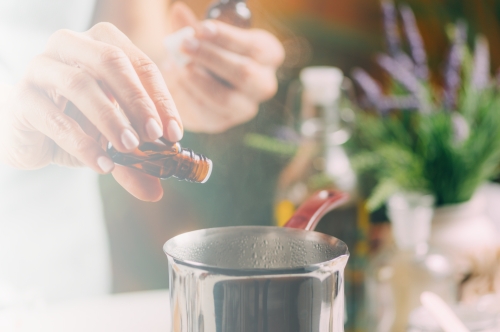
Fragrances are what make your soap memorable. Norex offers a world-class selection of fragrances and essential oils, including lavender, peppermint, tea tree, eucalyptus, lemon, and rosemary. These not only provide scent but also offer skin benefits:
- Lavender: Calming and soothing.
- Peppermint: Invigorating and cooling.
- Tea Tree: Antibacterial and clarifying.
For a full range of options, browse our essential oils catalogue.
Expert Tip: Combining essential oils with aroma chemicals can create signature scents that set your brand apart.
Colourants
- Natural Colourants: Clays, botanicals, and spices.
- Synthetic Dyes: For vibrant, consistent colors.
Additives: Enhancing Soap Functionality
Additives transform basic soap into a specialty product. Common choices include:
- Exfoliants: Oatmeal, poppy seeds, and ground nuts.
- Moisturizers: Glycerin, aloe vera, and honey.
- Vitamins and Botanicals: Vitamin E, calendula, and chamomile.
Norex’s product range includes ingredients that can be used as functional additives, ensuring your soap stands out in a crowded market.
The Soap Manufacturing Process: Step-by-Step
- Saponification: Fats and oils are combined with alkali, initiating the chemical reaction that forms soap and glycerin.
- Batch Preparation: Ingredients are measured and mixed in a batch kettle.
- Heating: The mixture is heated to accelerate saponification.
- Mixing: Continuous stirring ensures even distribution.
- Testing: Samples are tested for pH and consistency.
- Neutralization: Excess alkali is neutralized with acids like citric acid.
- Additives: Fragrances, colors, and functional ingredients are added.
- Moulding: The mixture is poured into moulds.
- Cooling and Curing: Soap is cooled, cut, and cured for several weeks.
- Packaging: Finished bars are wrapped and prepared for sale.
For a deeper look at our manufacturing excellence, see Norex’s infrastructure and technological advancements.
Natural vs. Synthetic Soaps: Key Differences
- Natural Soaps: Made from plant oils, essential oils, and natural additives. They are biodegradable, gentle on skin, and free from synthetic preservatives and dyes.
- Synthetic Soaps: Often contain petroleum-based chemicals, artificial fragrances, and preservatives. While cost-effective, they may irritate sensitive skin and have a higher environmental impact.
Choosing between natural and synthetic soaps depends on your target market and brand values. For eco-conscious consumers, natural soaps are the preferred choice.
Expert Insights: Choosing the Right Ingredients
How to Select the Best Raw Materials for Soap Production
- Quality Assurance: Always source from certified suppliers. Norex’s certifications guarantee international standards.
- Sustainability: Opt for ingredients that are ethically and sustainably sourced. Learn more about our sustainability initiatives.
- Customization: Tailor your soap’s scent and function with custom fragrances and essential oils.
Data & Trends
- According to industry reports, the global soap market is projected to reach $55 billion by 2027, with natural and organic soaps growing at 8% CAGR.
- Consumer demand for transparency and clean-label ingredients is at an all-time high.
Frequently Asked Questions
What are the main three ingredients to make soap?
The main three ingredients are oils or fats, lye (alkali), and water.
What is the chemical formula for soap?
Soap is typically represented as RCOO^- Na+ or RCOO^-K+, where R is the hydrocarbon chain from the fatty acid.
Are these ingredients in soap safe for babies?
It depends on the formulation. For babies, use mild, fragrance-free soaps made with natural oils. Always check the label and consult a pediatrician if unsure.
What is the difference between saponification and neutralization?
Saponification is the reaction between fats/oils and alkali to form soap. Neutralization adjusts the pH by removing excess alkali after saponification.
Can I use food-grade essential oils in soap?
Not all food-grade oils are suitable for skin. Use essential oils specifically tested for cosmetic use, like those from Norex’s essential oils range.
How do I choose the right fragrance for my soap?
Consider your target audience and intended use. For relaxation, lavender is ideal; for freshness, peppermint or citrus. Explore Norex’s fragrance options.
What are some trending additives in soap production?
Activated charcoal, turmeric, and botanical extracts are popular for their skin benefits and visual appeal.
Actionable Framework for Soap Manufacturers
- Define Your Soap’s Purpose: Cleansing, moisturizing, exfoliating, or therapeutic.
- Select High-Quality Raw Materials: Prioritize oils, alkalis, and additives based on your formulation goals.
- Incorporate Signature Scents: Use premium fragrances and essential oils for differentiation.
- Ensure Quality Control: Partner with suppliers like Norex with robust quality assurance.
- Stay Updated: Follow industry news and events for the latest trends and innovations.