

Top Industrial Uses of Natural Menthol in Pharma & FMCG
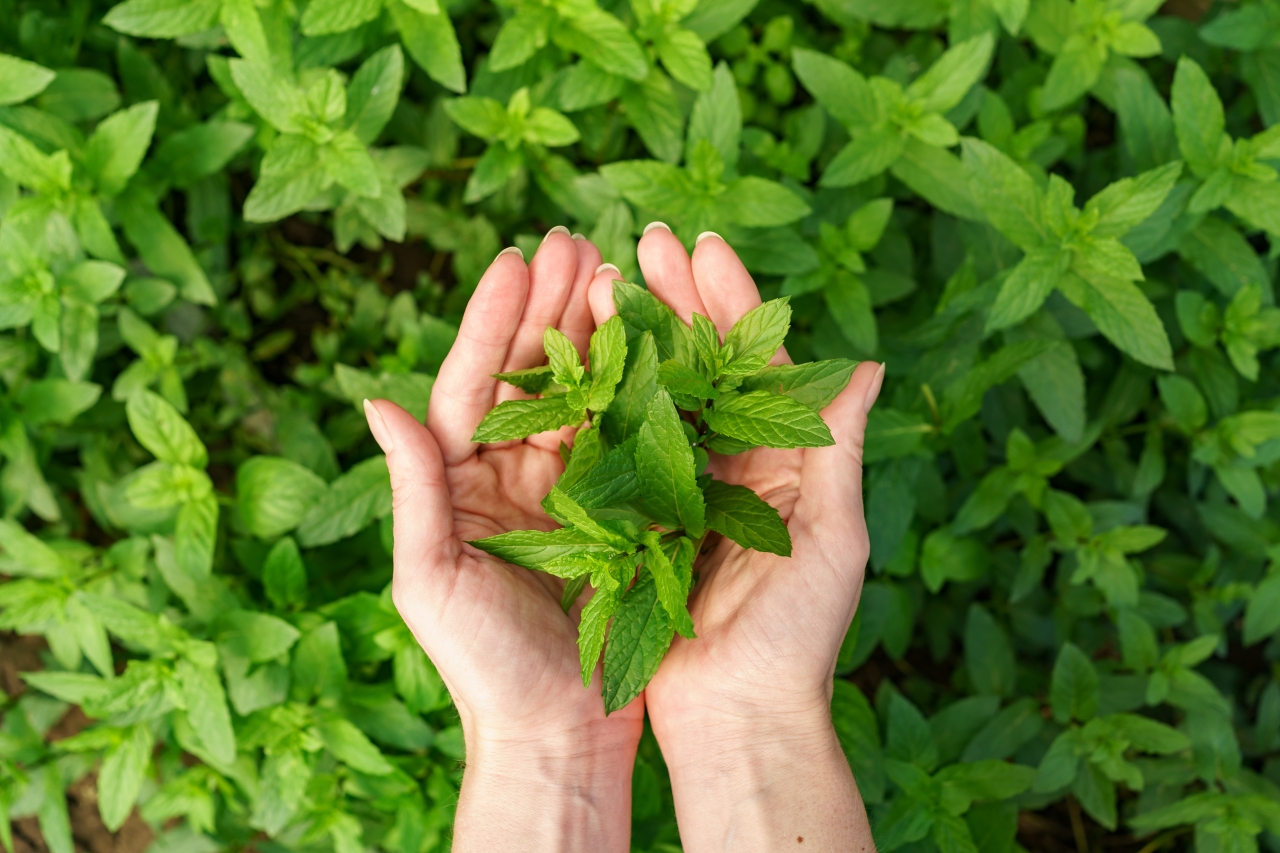
Top Industrial Uses of Natural Menthol in Pharma, Oral Care, and FMCG
Natural menthol has become a cornerstone ingredient across pharmaceutical, oral care, and fast-moving consumer goods (FMCG) manufacturing. Known for its characteristic cooling sensation, refreshing aroma, and functional versatility, this plant-derived compound is widely used by formulators seeking effective and consumer-preferred solutions.
With the global shift toward naturally derived ingredients, manufacturers are increasingly evaluating natural menthol for both performance and label appeal. This guide explores the major industrial applications, formulation benefits, and sourcing considerations relevant to B2B buyers and product developers.
What Is Natural Menthol? (Pharmaceutical-Grade Overview)
Natural menthol is typically extracted from peppermint oil through crystallization. It is valued for:
- Cooling and soothing sensory effect
- Mild local anesthetic properties
- Antimicrobial activity
- Flavor and fragrance enhancement
For industrial use, manufacturers usually require pharmaceutical-grade menthol crystals that meet purity and regulatory standards.
Key Industrial Uses of Natural Menthol in Pharmaceuticals
Menthol in Cough and Cold Formulations
One of the most established applications is in respiratory relief products. Natural menthol is commonly used in:
- Cough syrups
- Throat lozenges
- Vapor rubs
- Inhalation capsules
Why formulators use it:
- Provides a perceived decongestant effect
- Creates throat-soothing sensation
- Enhances patient sensory experience
- Works well with eucalyptus and camphor blends
Because of these benefits, menthol remains a staple excipient in OTC respiratory products.
Topical Analgesics and Pain Relief Products
Natural menthol functions as a counterirritant in many topical pharmaceutical preparations.
Common product formats:
- Pain relief gels
- Muscle rub creams
- Medicated balms
- Arthritis ointments
Formulation advantages:
- Rapid cooling effect on skin
- Enhances consumer perception of efficacy
- Compatible with many herbal actives
- Suitable for both Ayurvedic and allopathic products
Manufacturers often prefer natural menthol when targeting herbal or clean-label positioning.
Role of Natural Menthol in Oral Care Manufacturing
Menthol in Toothpaste and Tooth Powder
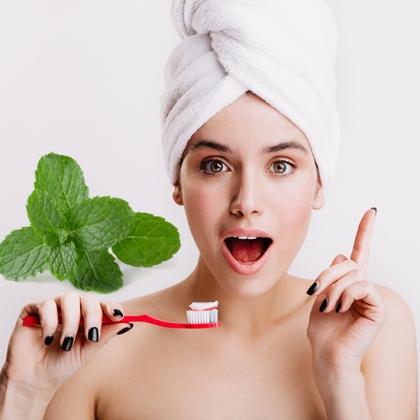
In oral care, menthol is primarily valued for its freshness profile and flavor enhancement.
Key functions:
- Provides long-lasting cooling sensation
- Improves mouthfeel
- Masks bitter active ingredients
- Enhances consumer acceptance
It is widely used in:
- Whitening toothpaste
- Herbal toothpaste
- Tooth powders
- Sensitive teeth formulations
Mouthwash and Breath Freshening Products
Natural menthol is a critical component in liquid oral hygiene formulations.
Benefits for formulators:
- Immediate breath-freshening effect
- Synergy with peppermint and spearmint oils
- Supports antimicrobial positioning
- Improves sensory differentiation
As consumers increasingly prefer alcohol-free and natural mouthwash formulations, demand for high-purity menthol continues to grow.
Applications of Natural Menthol in FMCG Products
Confectionery and Food Products
Food-grade natural menthol is used in select cooling and mint-flavored products.
Typical applications:
- Mint candies
- Chewing gum
- Breath mints
- Functional confectionery
Why FMCG brands use natural menthol:
- Strong cooling impact at low dosage
- Clean mint flavor profile
- Supports natural ingredient claims
- Stable in dry formulations
Manufacturers must ensure compliance with food safety and flavor regulations when using menthol in edible products.
Personal Care and Cosmetic Formulations
Natural menthol is widely incorporated into personal care products where a cooling sensation enhances user experience.
Common FMCG applications:
- Shampoos and scalp treatments
- Aftershave lotions
- Foot care creams
- Cooling body washes
- Deodorants
Formulation benefits:
- Sensory differentiation
- Refreshing positioning
- Compatibility with herbal extracts
- Low effective usage levels
This makes menthol particularly attractive for brands developing men’s grooming and summer cooling ranges.
Natural vs Synthetic Menthol: Why Manufacturers Prefer Natural Sources
Many B2B buyers today are shifting toward natural menthol due to market and regulatory pressures.
Key advantages of natural menthol:
- Better consumer perception
- Supports clean-label claims
- Preferred in Ayurvedic and herbal products
- Often required for premium positioning
- Aligns with global natural ingredient trends
However, buyers must carefully evaluate purity, stereoisomer content, and supplier reliability when sourcing.
Quality Parameters B2B Buyers Should Check
When procuring natural menthol crystals in bulk, manufacturers typically evaluate:
Purity and Chemical Profile
- L-menthol content
- Optical rotation
- Melting point range
- Residual solvent levels
Regulatory and Compliance Requirements
- Pharmacopeia compliance (IP/BP/USP where applicable)
- IFRA considerations for fragrance use
- FSSAI compliance for food applications
- GMP manufacturing standards
Supply Chain Reliability
Consistent quality and traceability are critical in regulated industries. Established ingredient manufacturers such as Norex focus on standardized processing and quality control systems that support large-scale industrial buyers.
Emerging Trends Driving Natural Menthol Demand in 2025
Several market shifts are accelerating adoption:
- Rising demand for natural cooling agents
- Growth of herbal and Ayurvedic products
- Clean label movement in FMCG
- Premiumization of oral care
- Expansion of OTC respiratory products
For product developers, menthol remains a high-impact, low-dosage functional ingredient with cross-industry relevance.
Final Thoughts
Natural menthol continues to play a pivotal role across pharmaceutical, oral care, and FMCG manufacturing. Its combination of sensory performance, functional benefits, and natural positioning makes it a valuable ingredient for modern formulations.
For B2B buyers and formulators, the focus should be on:
- Pharmaceutical or food-grade compliance
- Consistent purity and stereochemistry
- Reliable bulk supply capability
- Alignment with clean-label trends
As demand for naturally derived functional ingredients grows, natural menthol is expected to remain a key component in next-generation consumer and healthcare products.